With the rising demand for electric vehicles, EV battery disposal has become a major topic of concern among new and prospective EV owners. With over 17 million electric vehicle currently on the road globally and that number expected to nearly double to 30 million by 2030, finding the right way to dispose of old batteries is crucial to protecting our planet from serious environmental harm.
Table of Contents
Toggle🎥 Watch: What Happens to Old EV Batteries?
Curious about how EV batteries are disposed of? Watch this short video to understand the challenges, risks, and future solutions for EV battery disposal. Learn why safe handling matters and how responsible recycling can make a difference! ♻️
What Does EV Battery Disposal Mean?
With manufacturers planning to introduce over 130 million electric vehicles by 2030, and governments gradually phasing out internal combustion engine vehicles, it is crucial to understand EV battery disposal. Electric car battery disposal comprises a lot of calculated steps due to the structure’s complicated nature.
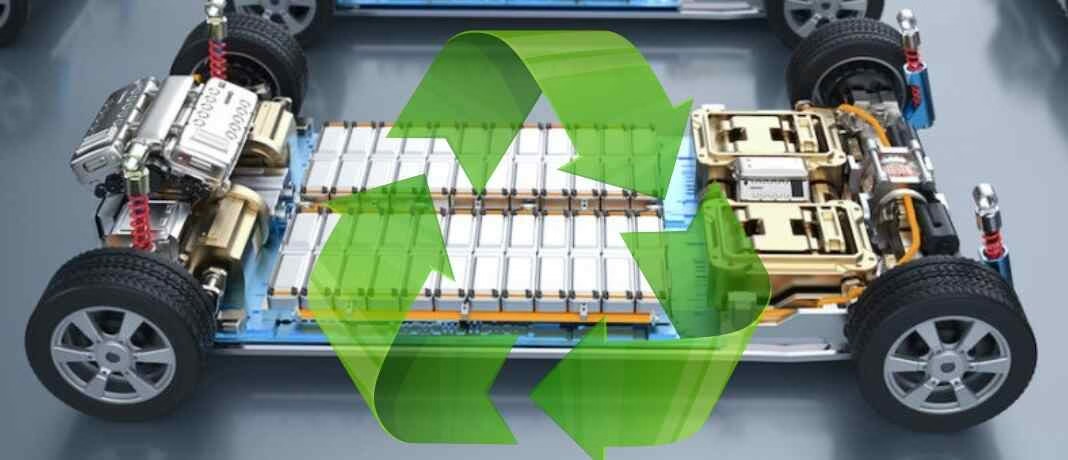
EV battery, primarily lithium-ion, consists of cells made from critical battery materials such as lithium, nickel, manganese and aluminum. When a battery’s capacity drops below 70–80%, it may no longer be ideal for vehicle use, but that doesn’t mean it’s useless! It can still be repurposed for other applications or responsibly recycled. This battery degradation could take more than 10 years if proper care is taken to maintain the battery lifespan.
Disposal of EV batteries involves carefully dismantling battery packs into cells and materials, ensuring each component is directed to the safest recycling or reuse stream.
Before recycling, many EV batteries are repurposed for second-life applications such as home energy storage, solar backup systems, and grid stabilization, extending their usable life and reducing environmental impact. This includes systems like residential solar energy storage, where used EV batteries can provide affordable energy backup solutions for homes and businesses. You can learn more about this in our post on using used EV batteries for solar storage.
Challenges of EV Battery Disposal
The major challenges associated with EV battery disposal are largely linked to limited infrastructure, safety risks and lack of awareness, a few of them mentioned below:
- Hazardous materials: Electric car batteries contain chemicals and flammable materials, which, if handled incorrectly, can release toxic gases or trigger thermal runaway and fires.
- Size and weight: The battery is the most vital part of an electric car, so it is no surprise that the size and weight are comparatively larger than the batteries that we are used to with our regular electronic devices. This causes a concern during transportation and handling of the battery.
- Guidelines and regulations: EVs are heavily endorsed by government bodies as a means for a greener, sustainable future. However, While the adoption of EVs are strongly promoted, battery disposal regulations remain fragmented and vary significantly by region.
- Lack of disposal facilities: Even for those who are concerned about the environmental impact of electric car battery disposal, there are not enough standardized practices or facilities to help them. Most of the current plans do not have the infrastructure to accommodate the growing demands, and as the guidelines vary from region to region, this further limits accessibility.
There are strict regulations and cautions in place even while throwing away a used remote battery which is a simpler and primitive version of an electric car battery. Proper plans and infrastructure are key to overcoming these challenges.
Environmental Impact of Electric Car Battery Disposal
As outlined earlier, due to a lack of proper foundation regarding the methods, many end-of-life batteries risk improper disposal or temporary storage, increasing the chance of environmental damage. The contents of a deteriorating battery are at high risk of a leak which can release harmful gases polluting the air and surrounding area.
A report by EPA from 2021 highlighted over 200 fires at waste management facilities linked to lithium-based batteries. Apart from electric cars, these batteries are a major part of the current electronics market. If left unchecked, these chemicals can leach into the soil affecting the underground water resources and poisoning the surrounding flora and fauna.
Regulations and Guidelines for EV Battery Disposal
Electric car battery disposal comes with strict regulations and guidelines, however, these regulations vary widely by region, often creating confusion among EV owners.
In the United States, agencies such as the Environmental Protection Agency (EPA) and the Department of Transportation (DOT) oversee EV battery disposal and transport regulations.
In India, EV battery disposal is regulated under the Battery Waste Management Rules, 2022, which mandate Extended Producer Responsibility (EPR). Manufacturers and importers are required to collect, recycle, or refurbish used EV batteries through authorized recyclers.
In Europe, battery waste is regulated under the EU Battery Regulation (EU) 2023/1542, which sets requirements for battery collection, recycling, carbon footprint reporting, and extended producer responsibility (EPR).
Best Practices for EV Battery Disposal
Since EV batteries cannot be discarded like household AA batteries, here are some practices that can make your life easier when it comes to electric car battery disposal.
- Reach out to disposal facilities: Understanding your area and the facilities you have available nearby is key to proper disposal. These plants have the facilities and infrastructure to handle the procedure safely without negative impacts on the environment.
- Consult your manufacturer’s guidelines: It is crucial to understand the manufacturer’s disposal policy. Major EV manufacturers such as Tesla, BYD, Tata Motors, Hyundai, and Volkswagen have introduced battery take-back or recycling programs to ensure responsible end-of-life handling.
- Safe storage Habits: Disposal of EV batteries is not a frequent activity and hence to scrap the battery you might have to store it till you find the solution that works for you. It is vital that you take proper precautions while storing such as keeping it in a dry area avoiding direct exposure to sunlight or moisture etc.
The Future of Electric Vehicle Battery Disposal
It is welcome news that more and more manufacturers are taking responsibility by introducing take-back programs for used batteries, ensuring that the used battery will reach the proper facilities instead of being carelessly tossed into a landfill. Advancements in battery design, including solid-state batteries, point toward a safer, more sustainable and cost-effective future.
With governments planning to increase EV sales, the investment towards disposal infrastructure is increasing as well, combined with awareness among the EV owners regarding responsible disposal practices, which can make EV battery disposal a manageable and scalable challenge.
Frequently Asked Questions
Can Consumers Dispose of EV Batteries on Their Own?
In most cases, the answer is no. unless you are aware of safe disposal practices and have access to proper facilities, it is dangerous to try disposing of it through trash disposal or incineration, as it contains a lot of hazardous chemicals such as Lithium, nickel and cobalt which if handled incorrectly could lead to the release of toxins or even fires.
Can EV batteries be reused before recycling?
Yes, Old EV batteries can be repurposed into second-life applications such as home solar storage systems, grid support, and commercial energy backup before entering formal recycling streams.

Jamie Carter is an EV enthusiast and independent researcher who has been following electric vehicle technology since 2019. After buying her first EV and spending years digging through manufacturer data, owner forums, and industry reports to answer her own questions, she started sharing what she learned. At EV Battery Central, Jamie writes research-backed guides on battery health, charging habits, and EV ownership & more.