Quick Answer: The most common real-world EV battery problem is not the main pack failing. It is the 12-volt auxiliary battery dying and being mistaken for main battery failure. After that, the most reported issues are range loss from charging habits, public charging failures, and BMS software warnings. Most are fixable without replacing the main pack.
Electric vehicles (EVs) represent a shift toward a greener and more sustainable future, offering a convenient and reliable mode of transportation. However, despite their advantages in reliability, cost-efficiency, and performance, a few concerns remain, with battery health and longevity being among the most significant
Imagine planning a road trip only to find your EV’s battery isn’t holding a charge as it should—frustrating, right? Understanding these issues can help you avoid such situations.
This guide covers the most common electric car battery problems, what causes them, how to recognize the symptoms early, and what to do about them.
Table of Contents
ToggleVideo Guide: Essential EV Battery Maintenance Tips
Proper maintenance can prevent many common EV battery problems. In the video below, we walk through the best practices to extend your battery’s life and maximize its performance.
After watching the video, continue reading for more detailed tips and in-depth information.
Common EV Battery Problems: Real Causes and Symptoms
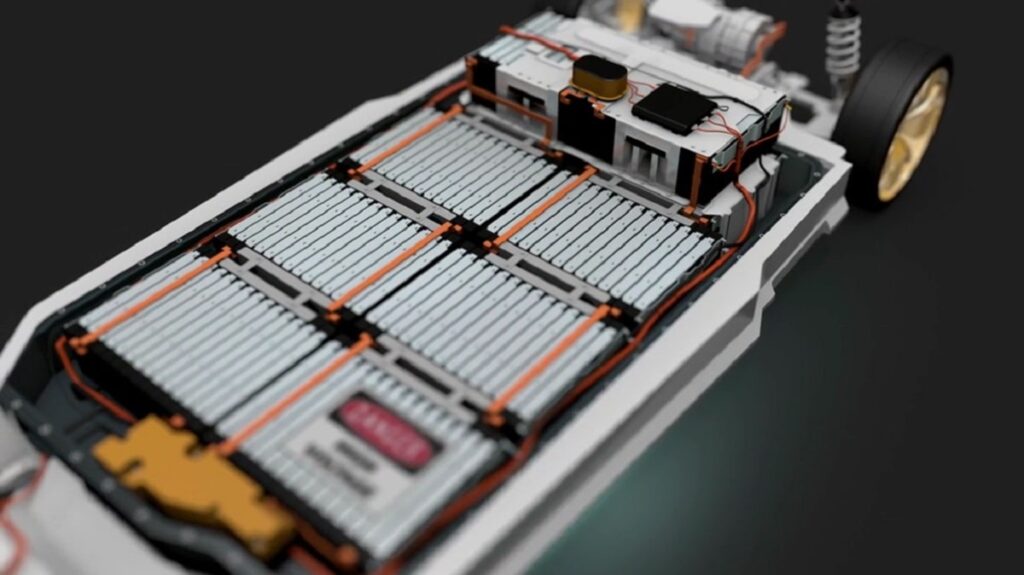
Battery problems can arise if the thermal management system fails to regulate temperature or if internal cells have manufacturing defects. Additionally, the battery pack gets damaged internally or externally due to some accident or chemical corrosion. Below are other reasons you can check.
In conventional internal combustion engine (ICE) vehicles, issues usually arise from mechanical wear and tear. However, EVs have fewer moving mechanical parts compared to ICE vehicles, but battery and software-related issues can still arise. Let’s have a look here:
1. Faulty Seals are Big Problems
Faulty seals may allow water to enter the battery pack, potentially causing serious damage. If you want to keep your drive safe and convenient, ensure that battery housing seals are intact to prevent water ingress. Some EV owners have reported that worn or improperly fitted seals can lead to moisture buildup or unusual whistling noises at high speeds.
2. Degraded Battery Life
Battery is the core component of the EVs and if its life drops or capacity comes down you can’t plan drives. Modern EV batteries are built to last, but real-world data tells a more nuanced story. According to a 2026 study by Geotab analyzing over 22,700 electric vehicles, the average EV battery retains 81.6% of its original capacity after 8 years of typical use well above the 70% minimum that most manufacturers guarantee under warranty. Yet due to excessive exposure to extreme temperatures and improper charging habits, EV batteries may degrade faster. Alternatively, the battery power gets affected if you don’t charge it in the right way. For detailed tips on maintaining your EV battery, check out our guide on EV Battery Charging Best Practices.
3. Range Loss from Climate Control Systems
While climate control systems are built into EVs, using them excessively especially in extreme temperatures can significantly impact your battery range. Running the heater or AC draws directly from the battery heating in freezing temperatures can reduce range by 20–40%, while AC in extreme heat typically reduces range by 10–20%. Learn more about how weather impacts battery performance in our article on EV Battery Life in Cold Weather.
4. Fire Events
While news reports often highlight EV fires, they are statistically much less common than fires in internal combustion engine (ICE) vehicles. As per data reports, gas-powered cars are actually more prone to catching fire due to the high heat generated by engines and the presence of flammable fuel. However, because lithium-ion batteries generate heat during heavy use and charging, experts recommend allowing your car to cool down to a normal temperature after a long trip before starting a high-speed charging session. Being cautious and monitoring your vehicle’s temperature is a simple way to ensure long-term safety.
5. Battery Management System (BMS) Failures:
Sometimes battery issues are actually software glitches within the BMS. The BMS is the brain that balances cells and manages temperature. To avoid, Keep your vehicle’s software updated to perceived range issues or charging bugs.
6. 12-Volt Battery Dies and the Car Will Not Start
This is the most common and most expensive EV misdiagnosis happening right now.
You press the power button. Nothing happens, or the dashboard flickers and goes dark. Most owners immediately fear the main battery pack has failed. In most cases that is not what happened.
Every EV runs on two completely separate battery systems. The large high-voltage traction battery powers the motor and the small 12-volt auxiliary battery powers your computers, lights, locks, and the startup sequence that wakes the entire high-voltage system.
The entire high-voltage system is dormant until the 12-volt battery tells it to wake up. A dead 12-volt battery makes a $45,000 car look like it needs a $5,000 repair when the real fix costs $280.
What to do: Before assuming main battery failure, test or replace the 12-volt auxiliary battery first. This is the same process as jump-starting a conventional car battery. If everything comes back online after that, the main pack was never the problem.
7. Public Charging Failures and Charging Port Issues
Real owner surveys consistently rate public charging reliability as one of the top EV frustrations, separate from battery health entirely.
The most common causes owners report:
- Charger hardware fault with no warning until you are standing there with a cable
- Payment system failures preventing a session from starting
- Charging stops unexpectedly before reaching the set limit
- DC fast charging working but Level 2 at home failing, often an onboard charger module issue
Charging port physical damage is a separate but related problem. Bent pins, corrosion, or a stuck port door can prevent charging entirely. Repair costs range from $500 to $1,500 depending on the model.
What to do: If a public charger fails with your car, try a different station before diagnosing the car. Not every charging failure is your vehicle. If home charging stops working while public fast charging still works, the onboard charger module needs inspection. If the port is physically damaged, get it looked at before the damage worsens.
Defective EV Batteries: What Manufacturing Faults Look Like and What to Do
Defective EV batteries are batteries that fail not from age or charging habits, but because of faults introduced during manufacturing. These include misaligned electrodes, contaminated cells, faulty seals in the battery module, or incorrect welds in the cell connections. Defective batteries can cause unexpected range loss, thermal runaway, or fire even in relatively new vehicles. The most important thing to know is that if your EV has been recalled for a battery defect, do not ignore it. These are not minor software notices. They are safety-critical.
Not all EV battery problems come from use or age. Some EVs leave the factory with defective battery cells that only reveal themselves later. Manufacturing defects in EV batteries are rare but serious. When battery cells have internal faults such as misaligned electrodes or contamination during production they can cause unexpected overheating or thermal runaway, even in relatively new vehicles.
A real-world example: In January 2026, Volkswagen recalled over 44,000 ID.4 electric SUVs in the US after supplier SK Battery America identified battery modules with “shifted electrodes” a manufacturing defect capable of causing vehicle fires. Owners were advised to avoid DC fast charging until the remedy was available. (Source: NHTSA Recall Report 26V030)
A second notable example: In 2022, General Motors recalled over 140,000 Chevrolet Bolt EVs and EUVs after a
combination of two manufacturing defects in LG Energy Solution battery cells, a torn anode tab and a folded
separator, were found to create fire risk. GM advised owners not to charge above 90% or park indoors overnight until the remedy was available. The recall was one of the largest EV battery defect recalls in US history and resulted in full battery module replacements for affected vehicles.
Warning Signs Your EV Battery Has a Problem
Keep an eye on warning sign displaying the Electric Vehicle battery issues.
- Infotainment System Alerts: The Infotainment System may also notify you about the potential underlying battery issues of EVs. It can impact the electrical system badly.
- Decreased Driving Range: Are you noticing a drop in the driving range than usual? It is the primary sign of battery degradation. Remember, a drop in range during winter is usually temporary, while a drop in range during summer may indicate permanent battery aging.
- Slow Charging: Is your EV taking too long to charge and still failing to hold it to cover long miles? Power and range fluctuation is also a warning.
- Unusual Heating: Is it producing unusual battery heating? Attention!! It’s a red signal.
How to Prevent Common EV Battery Problems
Being mindful of preventative measures may drop the problematic events and eliminate the frequent maintenance visits to fix electric car battery issues. Here’s a quick checklist to follow:
- Avoid Fast Charging: Avoid frequent fast charging. Occasional DC fast charging is acceptable, but regular AC charging is better for long-term battery health.
- Pre-condition Your Vehicle: When possible, use your car’s app to warm or cool the cabin while it is still plugged in. This uses grid power instead of battery power, preserving your range.
- Charge Smartly: For daily use, maintain your battery’s State of Charge (SoC) between 20% and 80%. Charging to 100% is fine for long road trips, but leaving a battery at 100% for long periods in hot weather can accelerate chemical degradation.
- Stay Updated: Keep the software updated with the latest releases to efficiently use the best features.
- Warranty Disclaimer: (Pro Tip) Most EV manufacturers provide a separate battery warranty (typically 8 years or 100,000 miles). Always check your warranty terms before attempting any DIY “fixes” to avoid voiding your coverage.
Enjoy efficient and enjoyable drives keeping all these things in mind and proactively plan the trips with the right approach.
Conclusion
EVs represent a significant evolution in automotive technology, offering greater efficiency than gasoline vehicles. However, EVs can still encounter common battery-related issues. Schedule periodic inspections at your authorized EV service center, stay up to date on recalls via nhtsa.gov/recalls, and know your battery warranty terms. Most manufacturers cover battery capacity for 8 years or 100,000 miles knowing what you’re entitled to is half the battle.
If you found this article helpful, share it and leave your thoughts or questions in the comments below!
Disclaimer: Electric vehicle batteries involve high-voltage systems. Never attempt to open a battery pack or repair internal components yourself. Always consult a certified technician for battery-related repairs.
FAQs
Refer to the owner’s manual for basic checks, but consult authorized service centers for diagnosis and repairs.
A few of the areas encounter troubles like noises/ leaks, drive systems, climate systems, power equipment, components, hardware or software, in-car electronics, etc. it is significantly less as compared to the ICEs.
Don’t ignore manufacturer recall notices. In many cases, these are simple software updates that can be installed remotely (Over-the-Air) to improve battery safety and efficiency without you even visiting a dealership.
The most likely cause is a dead 12-volt auxiliary battery, not the main traction battery. The 12-volt system controls the startup sequence for the entire car. Test or replace it before assuming main battery failure.
This is one of the most reported charging issues in owner surveys. Causes include public charger hardware faults, onboard charger module issues, BMS software bugs, or thermal management stepping in to protect the battery in extreme temperatures. A software update resolves this in many cases. If it continues, get a diagnostic from a certified EV technician.
Defective EV batteries typically show symptoms different from normal aging. These include sudden unexpected range loss in a nearly new car, dashboard warning lights appearing within the first year or two, unusual heat from the battery pack, or a manufacturer recall notice. Normal degradation is gradual and follows a predictable pattern of 1% to 2% per year. A sudden or severe drop in a new vehicle is more likely a defect than normal wear. Check nhtsa.gov/recalls with your VIN to see if your vehicle has any open battery-related recalls before paying for any diagnosis.

Jamie Carter is an EV enthusiast and independent researcher who has been following electric vehicle technology since 2019. After buying her first EV and spending years digging through manufacturer data, owner forums, and industry reports to answer her own questions, she started sharing what she learned. At EV Battery Central, Jamie writes research-backed guides on battery health, charging habits, and EV ownership & more.