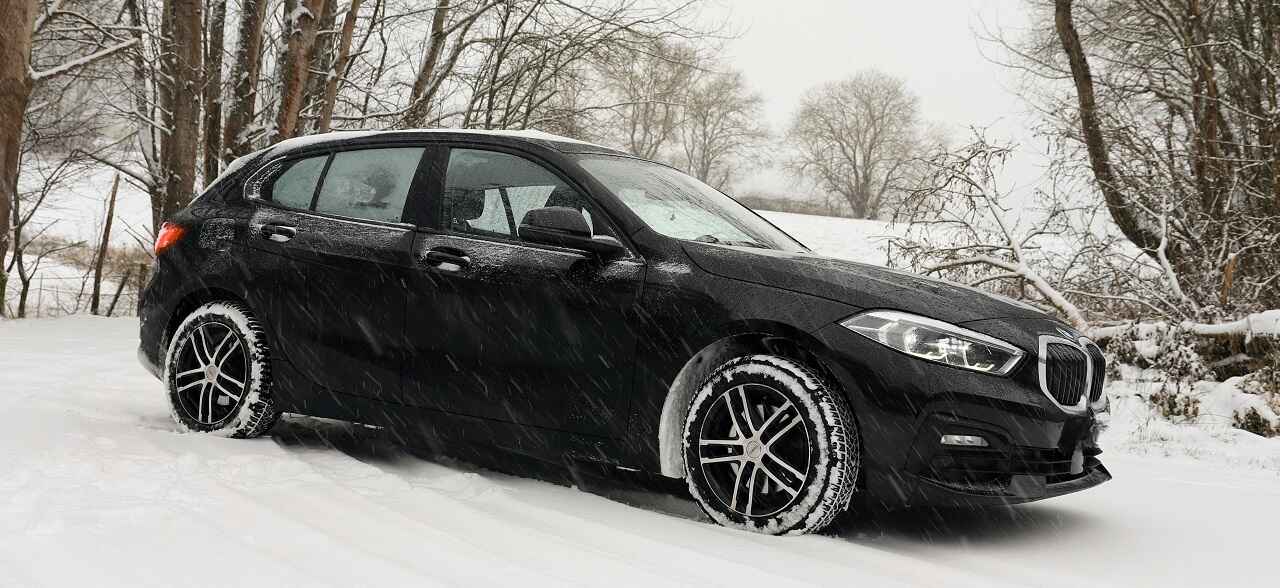
Quick Answer: Cold weather reduces EV range by around 20% on average at freezing temperatures, based on real 2026 data from over 30,000 EVs. The main cause is cabin heating, not battery damage. Any range loss in winter is temporary and fully returns when temperatures rise.
Cold weather and EVs have a complicated relationship. Your range drops, charging feels slower, and the battery percentage seems to drain faster than usual. If you have been through one winter with your EV, you know exactly what this feels like.
The good news is that the numbers are better than most people expect. And almost none of the range you lose in winter is permanent.
Note: Cold weather does not significantly damage the long-term lifespan of your battery; it simply slows down the chemical reactions temporarily. Once the battery warms up, your full range returns.
Table of Contents
ToggleHow Cold Weather Affects EV Battery Performance (Video Guide)
This short video explains why EV batteries drain faster in winter and shares practical tips to minimize range loss in cold weather.
Now that you have watched our short video, go through this blog to learn in detail about electric car battery life in cold weather, including its performance and how to manage drain effectively.
How Cold Weather Actually Affects Your EV Battery
Most modern EVs rely on lithium-ion batteries, which are highly sensitive to temperature fluctuations. A 2025-2026 study by Recurrent analyzed data from over 30,000 real EVs across the US and found that EVs retain an average of 80% of their rated range at freezing temperatures. That means a typical 20% range loss at 32°F, which is better than most EV owners expect.
In cold weather, reduced chemical activity slows charging and limits energy delivery, resulting in lower driving range and efficiency. Therefore, the capacity of the vehicle to drive may not be as long as expected and charging also may take longer time.
Factors Influencing EV Battery Life in Cold Weather
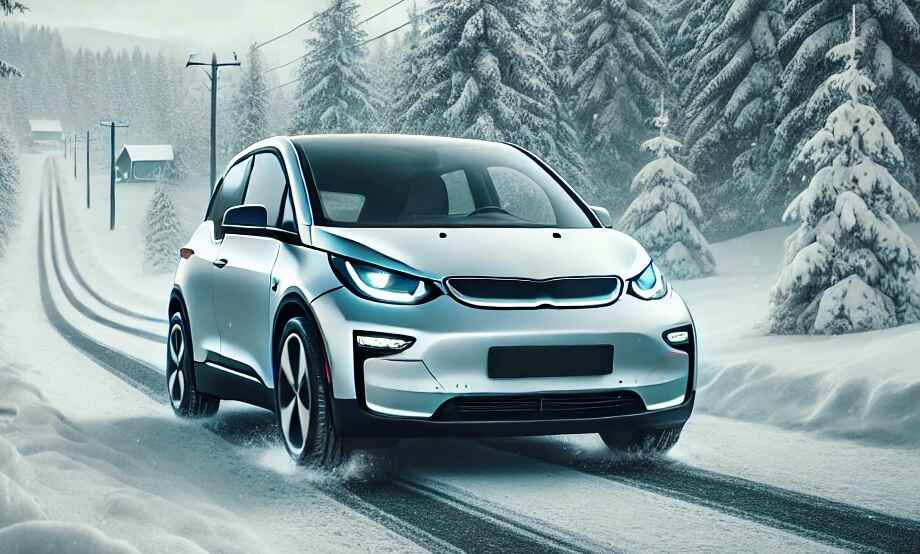
- Battery Type: Generally, lithium-ion batteries used in EVs are less efficient in cold weather or winters as compared to other batteries chemistry. Solid-state batteries have begun extreme cold-weather testing in production-ready prototypes. These batteries type are proving to maintain up to 70-75% energy retention even at -30°C. To learn more about these battery types, check out our article on how solid-state batteries compare to lithium-ion for cold weather.
- Battery Age: An older battery pack is generally one that has lost some of its capacity, thus, can easily be affected by temperatures. Old batteries charge less and extreme conditions such as snowstorms affect the battery capacity and hence results in a lower range.
- Battery Capacity and Size: Those battery packs that are bulky or those that have efficient thermal regulation mechanisms, can withstand the cold climate conditions. Nonetheless, this is likely to be followed by a substantial decay in effective battery capacity if the battery is small or lacks adequate insulating layers.
- Driving Habits: Short trips in cold weather cause repeated battery warming cycles, increasing energy loss. This is because it uses a massive amount of energy to heat the cabin and battery to operating temperature. Whereas continuous drives (longer trips) allow the battery to stay within an optimal temperature range, reducing efficiency loss.
- Thermal Management Systems: Some of today’s EVs are equipped with special thermal management systems that regulate the temperature of the battery to that which is most suitable. It is said that these systems can provide some countermeasure against the cold by protecting the temperature and battery condition of the system.
Why Your EV Loses Range in Cold Weather (The Real Reason)
The first and probably the most easily observed impact of cold climate on electric vehicles is a decrease in its range. While range loss varies by model, testing shows that the average EV retains about 70-80% of its range at 20°F (-7°C). While extreme cold can still cause a 30-40% drop in older models, newer EVs with heat pumps often limit this loss to just 15-20%.
This loss of range occurs for several reasons:
- Increased Energy Demands for Heat Pump: Unlike internal combustion engine vehicles, EVs do not preheat the cabin through the conversion of excess heat from the engine into heat for the interior, ventilation and air conditioning systems. At very cool conditions inside the cabin, more energy is used to provide heat and limited energy is available for powering the car. In fact, cabin heating alone can account for 35% to 55% of total energy use
on short urban trips at -10°C in extreme cold conditions. This puts an extra load on the battery capacity which consequently results in the loss of about 20 percent of range. - Reduced Battery Efficiency: The cold inhibits the chemical reactions taking place within the battery making it less effective at holding and also releasing an equivalent amount of energy. This results in the fact that the battery cannot deliver as much power for the propelling of the car and therefore short range.
- Increased Rolling Resistance: It also impacts the cold weather on the road, and tire pressure. At subfreezing temperatures, which were typical in our wreck, outside temperatures penetrate the tire and it deflates to a certain level, making the road less friendly to traction. This leads to higher rolling resistance and additional energy, which has to be produced by the battery to keep up the speed and diminish, therefore, the battery life.
- Regenerative Braking Efficiency: Regenerative braking is the usual feature you find in most electric vehicles; it uses kinetic energy to generate electricity when the car slows down. One disadvantage of this system may be realized in cold weather because the battery cannot store as much energy as it would in warm weather, which in turn makes efficiency even poorer.
7 Tips to Maximize EV Battery Life in Cold Weather
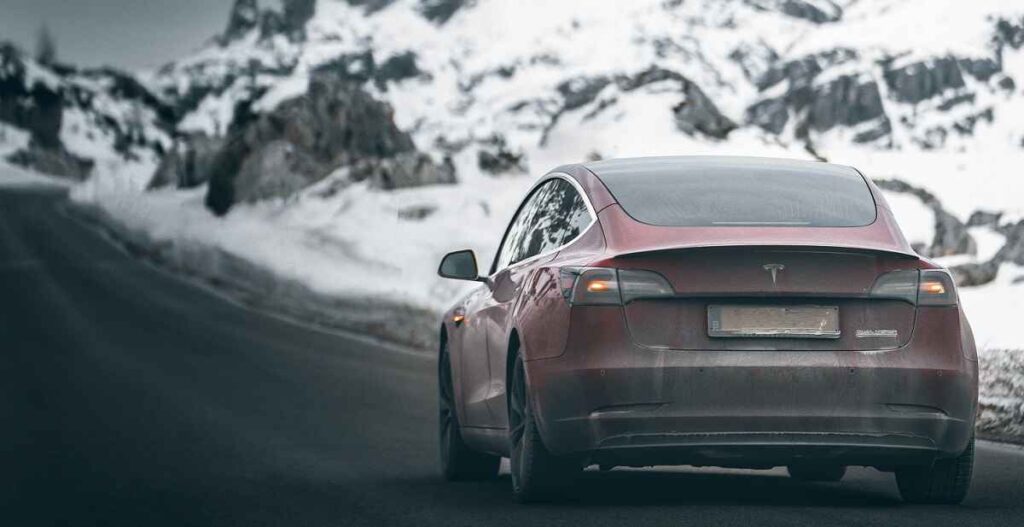
While cold weather can undoubtedly affect EV battery performance in cold weather, there are several ways to minimize the impact and maximize battery life during winter:
- Precondition the Car: Pre-conditioning enables heating of the cabins and batteries before the car is plugged into the grid while relying on grid electricity rather than the car battery. This assists in conserving power charge, to guarantee that the automobile is in standby mode sufficiently charged enough to perform optimally when in use. Learn why preconditioning before a long trip makes such a difference.
- Use Eco Mode: Many EVs have eco mode that adapts powertrain configurations to take less energy from the battery. As the acceleration sensitivity is reduced, and any unnecessary power is conserved, eco mode allows for the longest battery range possible in winter conditions.
- Keep the Battery Charged: Another thing that should not be allowed to happen is to let the battery go as low as 20% capacity in winter as this can make the battery deteriorate very quickly. It is better to maintain the battery at this level, between 20% and 80%, to keep it lasting for as long as possible and deliver a high performing current.
- Park in a Garage: To extend battery range, the driver should plug in the EV for recharging, park the EV in the garage or any other well covered area to increase the battery capacity. This will serve to ensure that the battery is at its optimum operation temperatures to avoid this much loss of performance as might be inevitable in cases where the battery’s temperatures are known to be too low or too high.
- Monitor Tire Pressure: Cold also means having low pressure of tires, pressure which results in higher rolling resistance and therefore less efficiency. During winter it is recommended to routinely check the tire’s pressure and adjust it according to the manufacturer’s recommended settings.
- Minimize Short Trips: Frequent short trips in freezing temperatures are particularly hard on your range. This is because the car must use a massive amount of energy to heat both the cabin and the battery every time you start your journey. By the time the battery reaches its efficient operating temperature, the trip is often over.
- Use Seat Warmers Over Cabin Heat: Seat warmers heat you directly and use far less energy than running the full cabin heater. On milder cold days, switching to seat warmers and turning the heater down can recover 5% to 10% of range with zero extra effort.
Advancements in EV Battery Technology for Cold Weather
Rising consumer demand of EVs has pushed manufacturers to prioritize battery resilience in extreme temperatures. Some of the most noticeable advancements in EV battery technology include:
- Improved Thermal Management Systems: Modern cars have effective thermal control systems that allow for maintaining stable temperature inside of the battery segment and increase performance in cold climates.
- Solid-State Batteries: It can be deduced that solid-state batteries are capable of delivering better performance during cold climatic conditions than the currently used lithium-ion batteries. These batteries are still in their development stage but are expected to bring some benefit in terms of energy density, charging time and resistance to cold climate.
- Fast-Charging Capabilities: There are some manufacturers developing solutions of reducing fast charging impact on battery range loss while providing battery warm charging to prevent reduced efficiency during the cold winter months.
How to Prepare Your EV Battery for Cold Weather Season
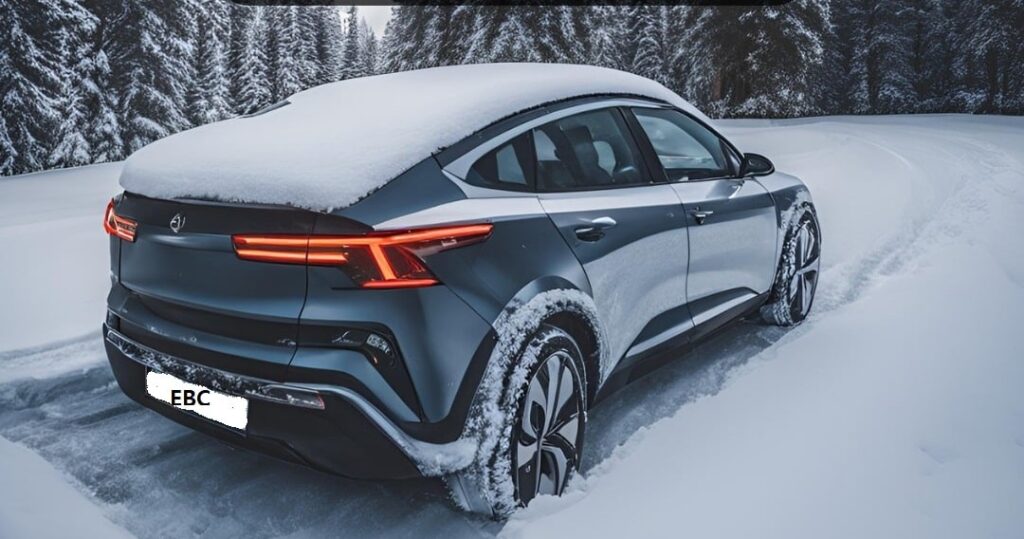
If you own an EV, there is a need to prepare it for the wintry season, in order to make it as efficient as possible while operating in freezing conditions. Below are some practical tips for winterizing your electric vehicle:
- Check Battery Health: So before this season sets in, make sure you take your EV to be diagnosed for any possible problem with the battery. It can tell a professional on the condition of the battery and what needs to be done to service it. Explore signs your EV battery needs attention.
- Install Winter Tires: Winter tires offer better performance in cold weather and in conditions such as on ice or snow. They improve tractive effort and are also advantageous in the general energy consumption of the vehicle.
- Update Software: Most EV makers offer over-the-air updates to enhance the car’s operation, some of which are for winter conditions that affect the battery.
- Use a Battery Heater: There are cars with a battery heater and those that can purchase one which is designed to warm the battery in cold climate conditions.
- Limit High-Speed Driving: The weakened battery capacity means that driving at faster speeds, especially in cold weather conditions, is certain to drain the battery. Reduce consecutive acceleration and stay at constant speed, this will increase your range significantly.
Conclusion
Winter does affect your EV range. That part is real. But real 2026 data from over 30,000 vehicles shows the average loss is around 20% at freezing temperatures, not the 40% to 50% you might have heard about.
More importantly, none of that loss is permanent. Your battery is not wearing out faster because it is cold. It is just working harder to keep you warm. Precondition before you drive. Use seat warmers over the cabin heater. Keep your charge topped up above 20%. Those three habits alone will make a noticeable difference this winter.
FAQs
Most electric cars experience a 20–40% reduction in driving range in cold weather, depending on outside temperature, battery chemistry, driving habits, and cabin heating usage.
Cold affects the chemical processes inside the battery and thus weakens the battery’s ability to store and deliver power. Also, cabin heating requirement and effect on other systems such as tires and regenerative braking also affect battery capability.
No. Cold weather causes temporary range loss only. Once temperatures rise, your full range comes back. The one exception is fast charging a deeply cold battery below 32°F, but modern EVs manage this automatically through their battery management system.
Yes, significantly. EVs with heat pumps retain an average of 83% of range in freezing conditions compared to 75% for those with resistive heaters. Most of 2024 and newer EVs include a heat pump as standard.
Not as a daily habit. Keep your charge between 20% and 80% for daily use. If you need maximum range for a cold-weather trip, charging to 100% the night before is fine.

Jamie Carter is an EV enthusiast and independent researcher who has been following electric vehicle technology since 2019. After buying her first EV and spending years digging through manufacturer data, owner forums, and industry reports to answer her own questions, she started sharing what she learned. At EV Battery Central, Jamie writes research-backed guides on battery health, charging habits, and EV ownership & more.